
Writing
ASP.NET Core Web API by Hand
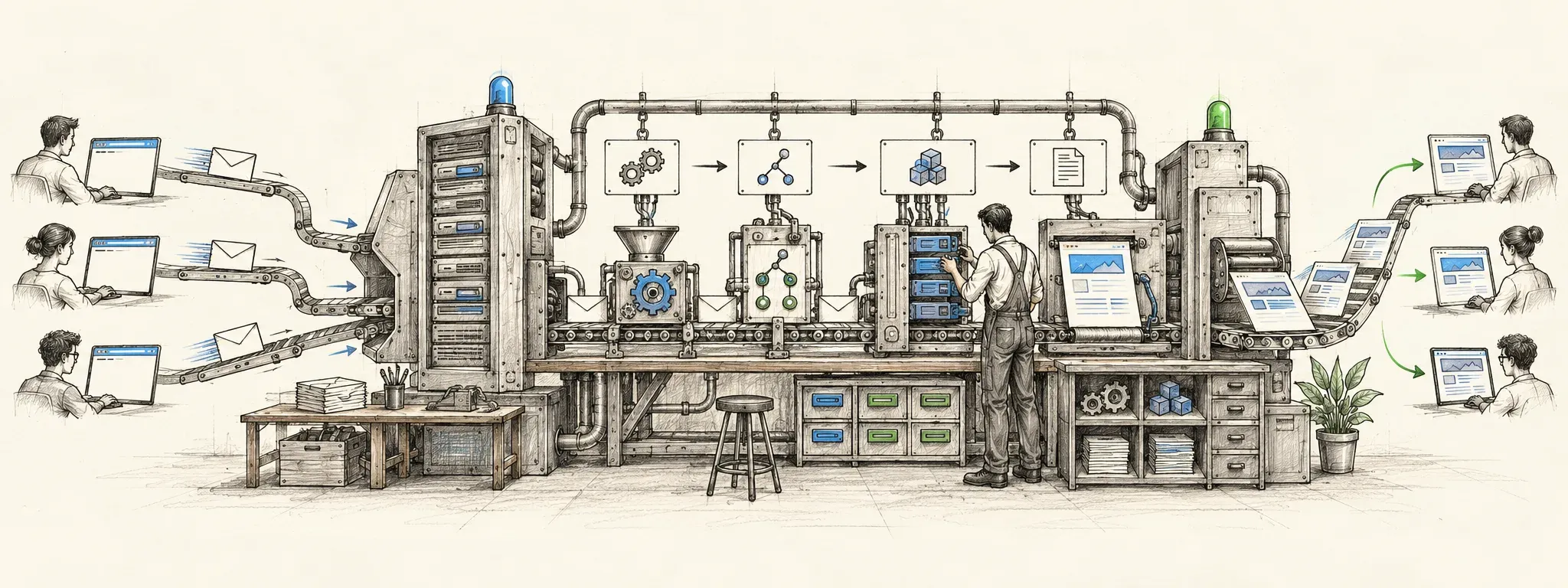
A terminal request delegate exposes the work behind an ASP.NET Core endpoint. A movie-service experiment compares a narrow handler with the controller pipeline.
Topic
Building web applications with ASP.NET, including request processing, handlers, controllers, responses, and framework behavior.
10 pages
Writing
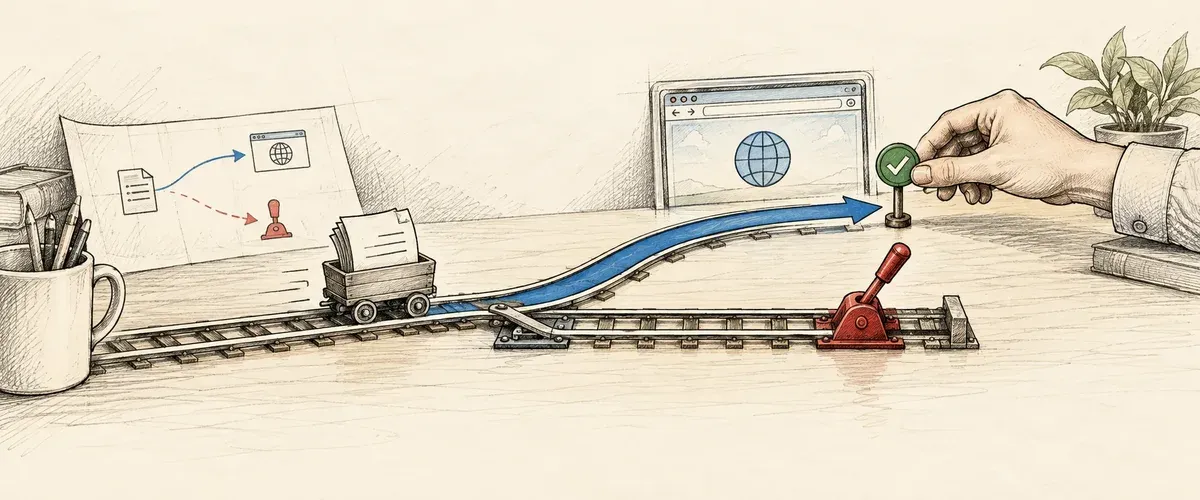
A terminal request delegate exposes the work behind an ASP.NET Core endpoint. A movie-service experiment compares a narrow handler with the controller pipeline.
Writing
Use the Response.Redirect overload with endResponse set to false to avoid ThreadAbortException, then structure request handling so execution finishes deliberately.

Writing
Matlus recorded high YSlow and PageSpeed scores after moving to Orion, with ShowSlow rankings and Google crawl charts illustrating the site's performance in 2011.

Writing
Orion powered Matlus with Quartz for ASP.NET and Windows Live Writer support. Its original release explains the Visual Studio solution and required Quartz project reference.

Writing
An IMetaWeblogProvider separates blog operations from XML and HTTP. MetaWeblogManager translates requests, while an IHttpHandler connects the library to a blog engine.

Writing
An OAuth 1.0 C# library handles request and access tokens across providers. A web application demonstrates authorization redirects and a later request for user information.

Writing
Create a BusinessModule in HttpApplication.Init to reuse it across requests. The proposed ASP.NET design relies on application-instance ownership and stateless business layers.

Writing
ChangeType<T> converts request strings through registered binders, handling numbers, arrays, enums, and custom DTOs while keeping conversion calls consistent across web pages.

Writing
ASP.NET MVC's indirect access to views spreads responsibilities across controllers and templates. ViewData, child actions, and typed view instances frame the critique.

Writing
Razor makes C# mixed with HTML easier to read through its @ syntax, code blocks, layouts, and sections. Worked templates show the output and the limits of view responsibilities.