
Writing
Arranging Scenarios That Stay True
Random data must preserve the named test scenario. Constrained catalog sampling, immutable builders, deliberate threshold guards, and owned identities keep arrangements correct.

Topic
Named software design patterns such as Factory, Factory Method, Strategy, Template Method, and Iterator. Articles explain a pattern’s structure or apply it in a worked design.
20 pages
Writing
Random data must preserve the named test scenario. Constrained catalog sampling, immutable builders, deliberate threshold guards, and owned identities keep arrangements correct.

Writing
One ordering scenario verifies the caller result, stored lines, fulfillment, and confirmation. Follow its complete C# test, independent observations, and accumulated failure reports.

Writing
Boundary testing questions concern evidence, isolation, failures, and release confidence. Compare the practice with mocks, TDD, generated checks, formal models, and production observation.
Writing
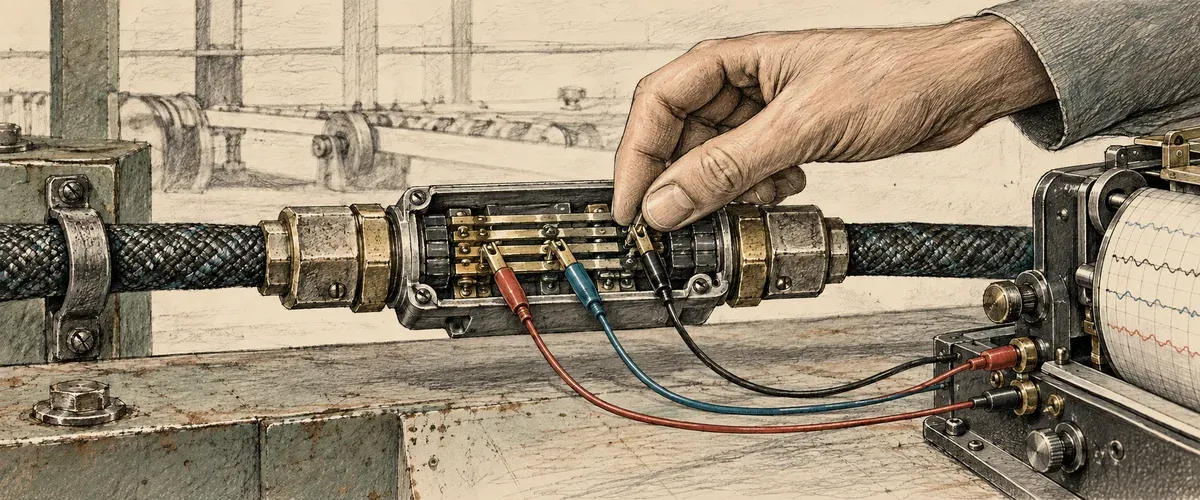
A Test Mediator and transport spy control delivery and expose observations while production gateways run. Capture email content, script retries, and measure bounded response reads.

Writing
An application logging adapter can accept a DTO and expose its fields as structured state. ILogger.Log<TState> separates that context from the formatted message.

Writing
Useful abstractions express the caller's needs precisely. Broker, database and charting examples show where SDK types, storage details and excess generality get in the way.

Writing
Test-data builders keep each scenario's chosen values visible. C# expression trees select model properties, and stored overrides preserve explicit nulls.

Writing
The Adapter pattern keeps application messaging independent of broker SDKs by translating messages, callbacks and acknowledgements between RabbitMQ and Service Bus.

Writing
Build a working baseline, then change the design for a concrete benefit; a log parser evolves through a switch, delegates, and Strategy to test that judgment.
Writing
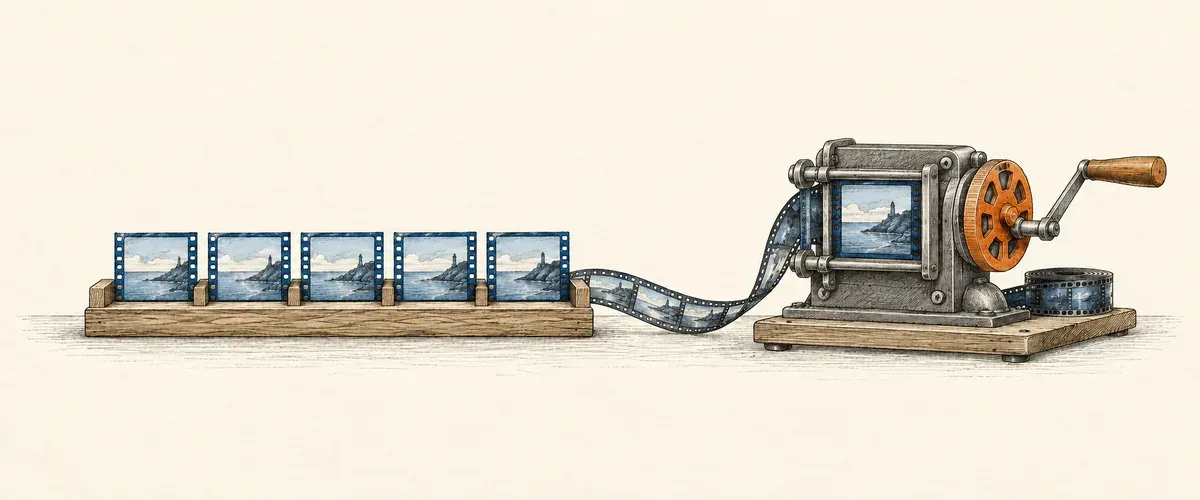
The type a foreach loop sees determines its enumeration path. Array lowering, list enumerators and yield state machines explain the work behind the syntax.

Writing
Async streams let callers process database rows before the full result exists. An async iterator combines await and yield return, keeping its reader open during enumeration.

Writing
Method contracts let callers rely on completed work and let failures propagate. C# examples distinguish retrieval from search, validate domain entry points, and assign handling to its owner.

Writing
A Factory selects and constructs a concrete descendant while callers program to an interface through the base class's public contract. C# thumbnailers show selection and polymorphic dispatch.

Writing
A Configuration Provider hides the source and returns validated, typed settings. Useful exceptions and composed settings providers keep configuration rules in one place.
Writing
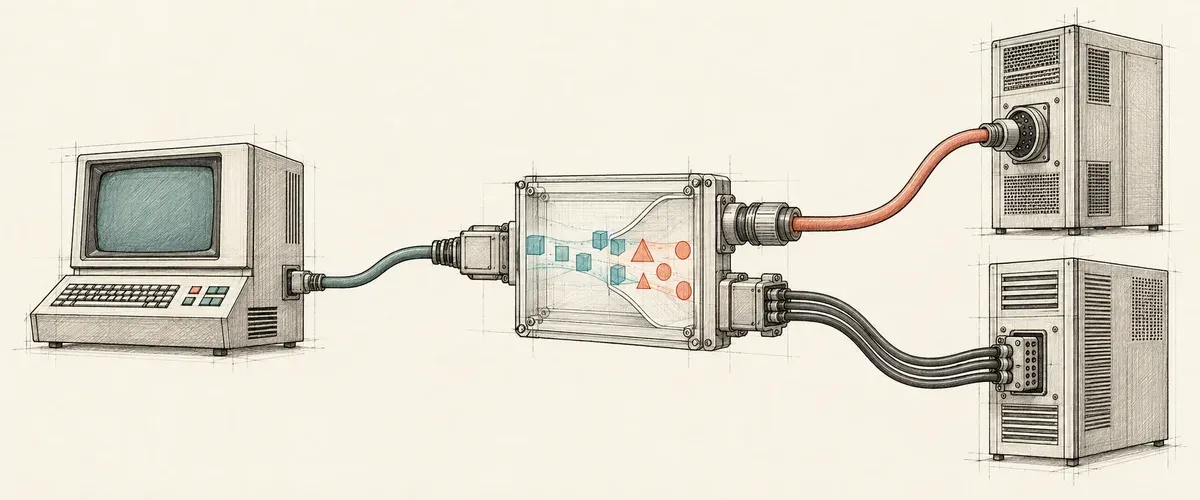
A Gateway presents business operations, translates service models and transforms failures into domain exceptions, keeping external service details behind one boundary.

Chapter
C# methods tell callers what they do through explicit visibility, truthful signatures, and returns that express action, query, and cardinality; their bodies orchestrate at one level.

Writing
Factory Method lets consumer subclasses choose dependencies through an overridable creation hook. C# examples show its two class families and distinguish it from a separate Factory.
PWI
The Domain Facade exposes business operations while internal classes call one level down. Managers orchestrate workflows and own configuration and service boundaries.
Writing
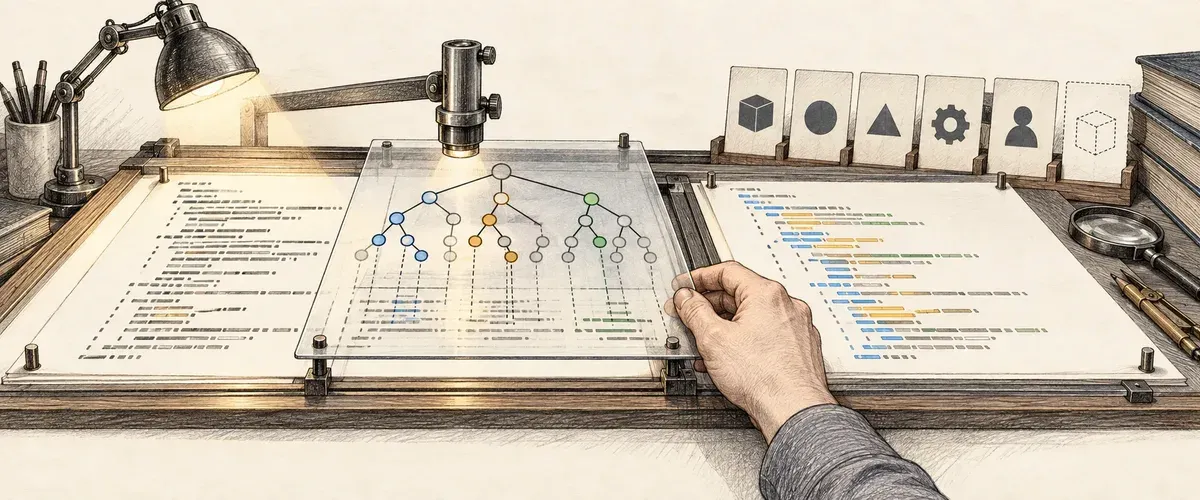
Roslyn syntax trees and semantic information drive a C# to HTML highlighter, with a SyntaxWalker and explicit handling for type names whose definitions are unavailable.
Writing
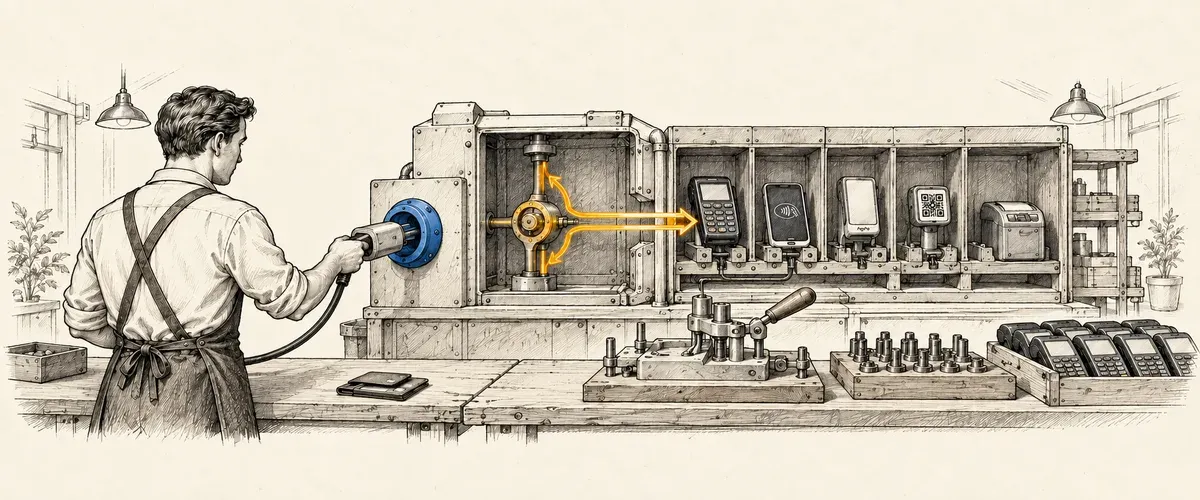
A Factory decouples payment processing from concrete classes, discovers implementations, and caches constructor delegates built with DynamicMethod and ILGenerator.