
Writing
Logs and Artifacts: Pipeline Breadcrumbs
Make long-running pipelines explain their work through numbered steps, ordered artifacts and a run manifest. Preserve evidence to investigate exceptions and incorrect results.
Topic
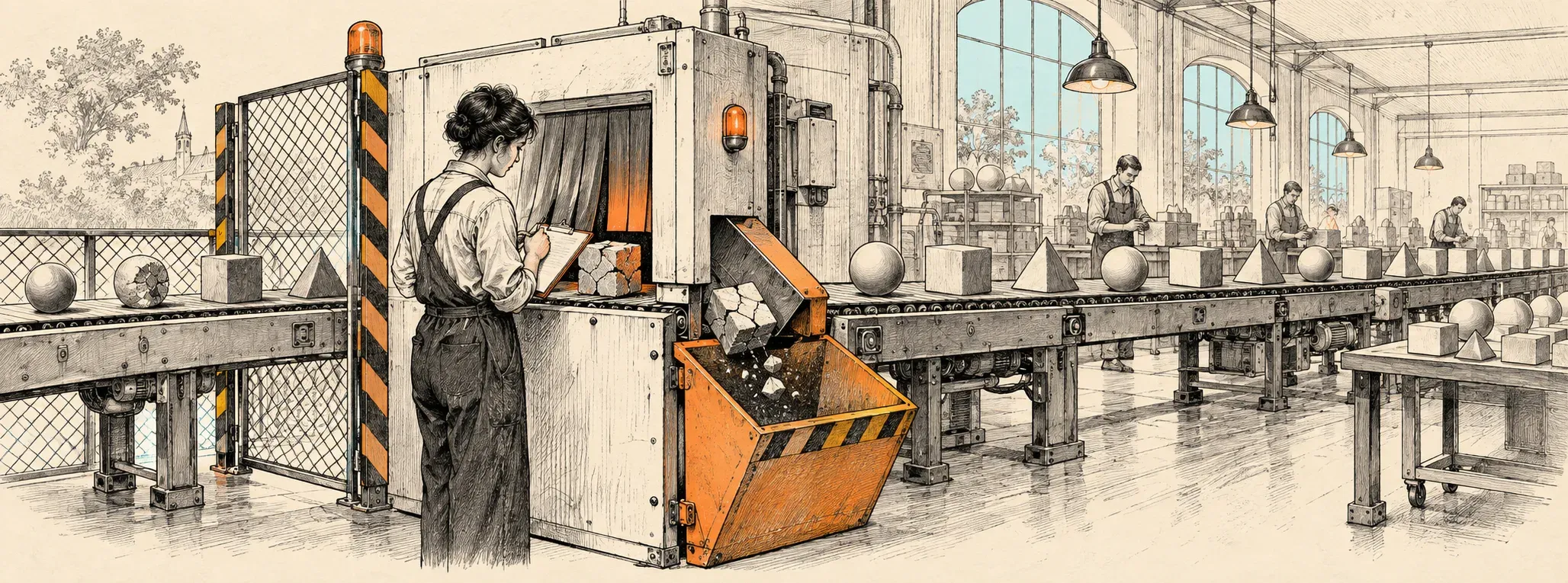
Treating failure as a designed path: validation at boundaries, exception translation, and what a caught exception obliges you to do.
18 pages
Writing
Make long-running pipelines explain their work through numbered steps, ordered artifacts and a run manifest. Preserve evidence to investigate exceptions and incorrect results.
Writing
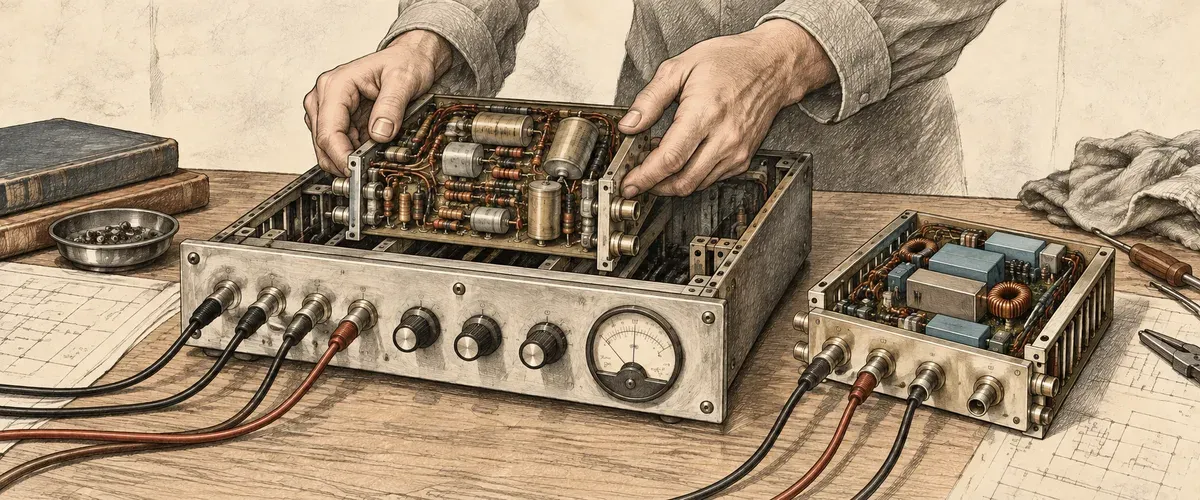
A stable Domain Facade lets acceptance scenarios and assertions survive internal refactoring. Adapt test support behind unchanged observations and adopt complete boundary tests feature by feature.
Writing
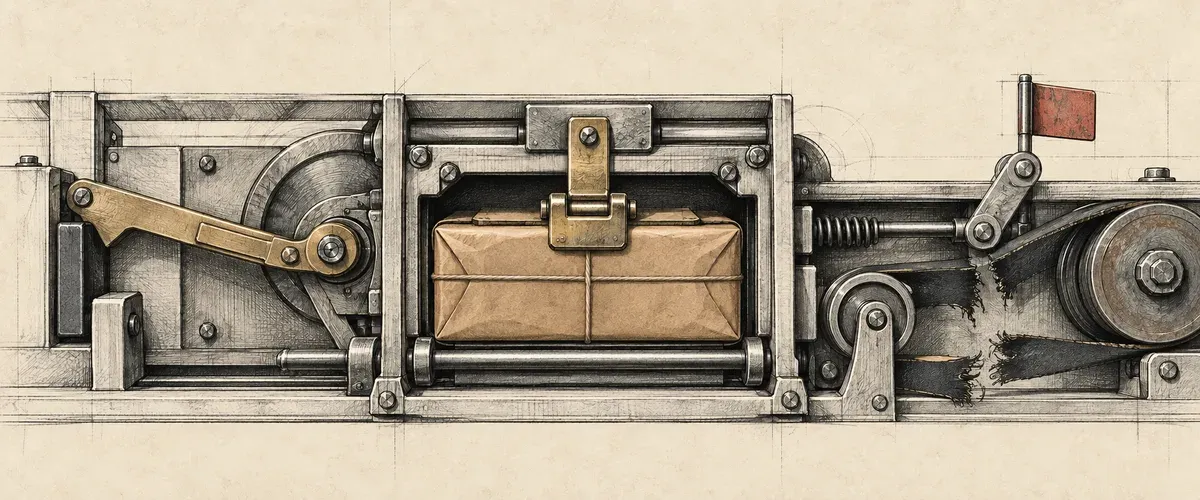
Failure timing determines what an order still owes. Verify refusal, real transaction rollback, post-commit action failures, and accepted effects whose completion could not be recorded.
Writing
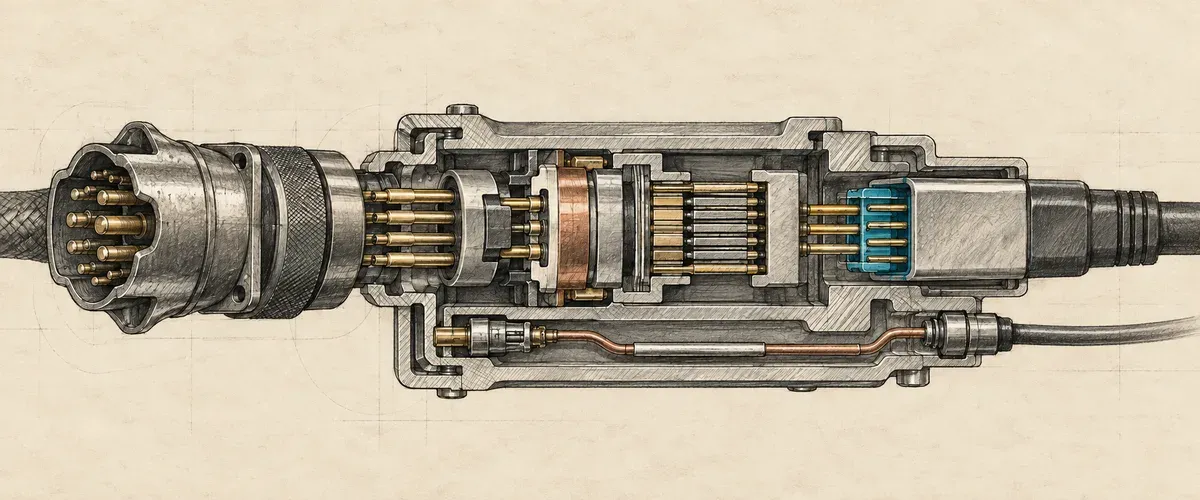
Interface tests verify wire conversion and exception translation at their owning boundaries. Controller Hooks, middleware checks, and hosted HTTP scenarios complement domain acceptance.
Writing
A Test Mediator and transport spy control delivery and expose observations while production gateways run. Capture email content, script retries, and measure bounded response reads.

Writing
Use null-conditional calls only when skipping work is correct. Required logging and optional disposal expose the difference between nullable warnings and runtime behavior.

Writing
Give callers domain operations while collections and gateways own the details: service orchestration, model mapping and translation of recognized failures into domain exceptions.

Writing
Use a cast instead of `as` when the type is expected, so a mismatch raises InvalidCastException. Use `is` when the type genuinely varies and keep only guards backed by a real case.
Writing
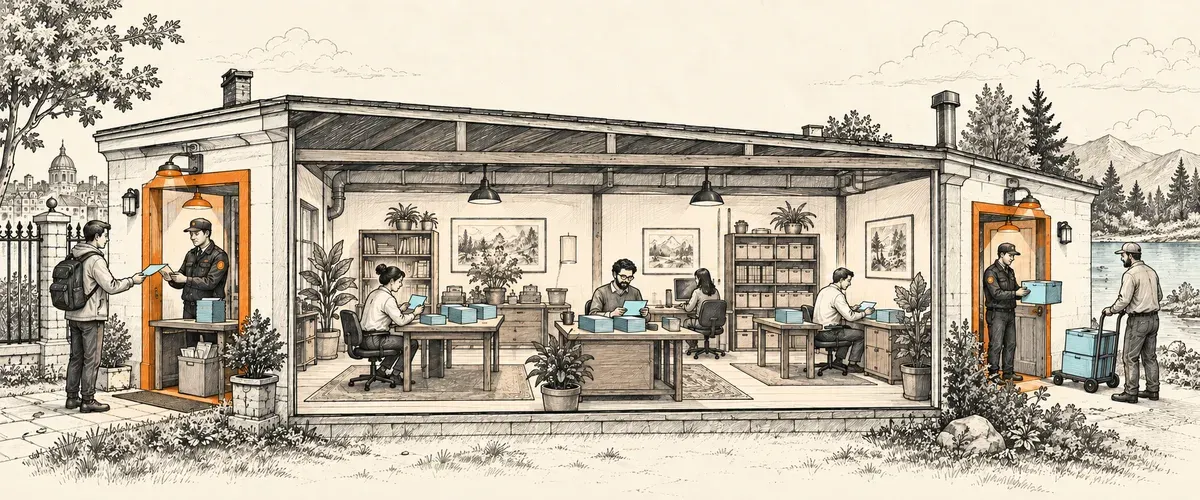
Validate and clean data at the front and back doors; skip checks on internal formal arguments. Immutable DTOs preserve trust, one exception reports all errors, and black box tests exercise the doors.
Writing
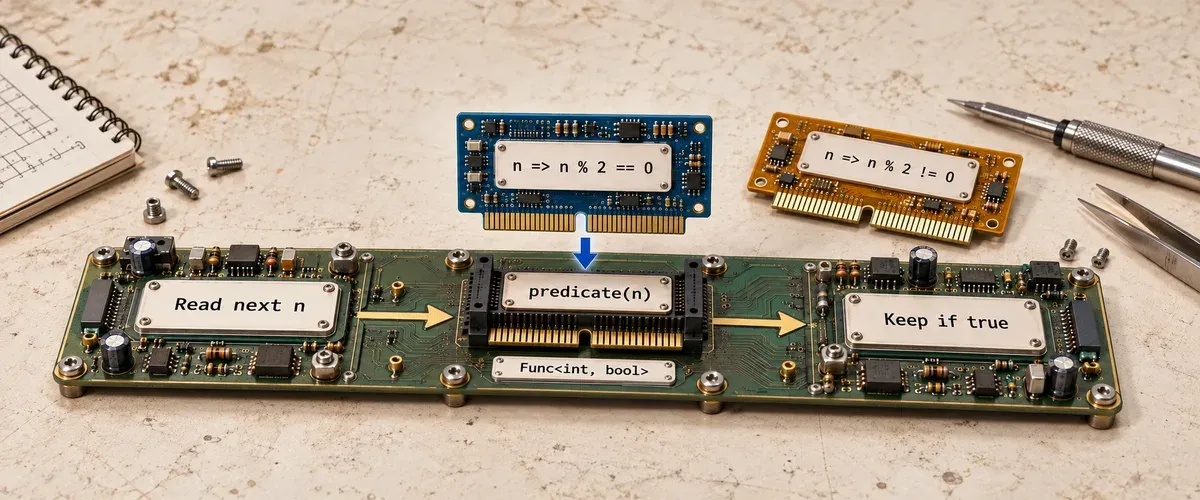
Delegates let callers supply behavior to reusable methods. Lambda syntax and SingleElseException show how higher order functions add useful failure details.

Writing
Specific exceptions preserve failure meaning, causes, and context. A shallow C# hierarchy, Gateway translation, and middleware enrichment carry diagnostic records across service boundaries.

Writing
Structured logs preserve the facts needed to investigate failures. Application Insights custom dimensions make them searchable, while typed progress events track long-running work.
Writing
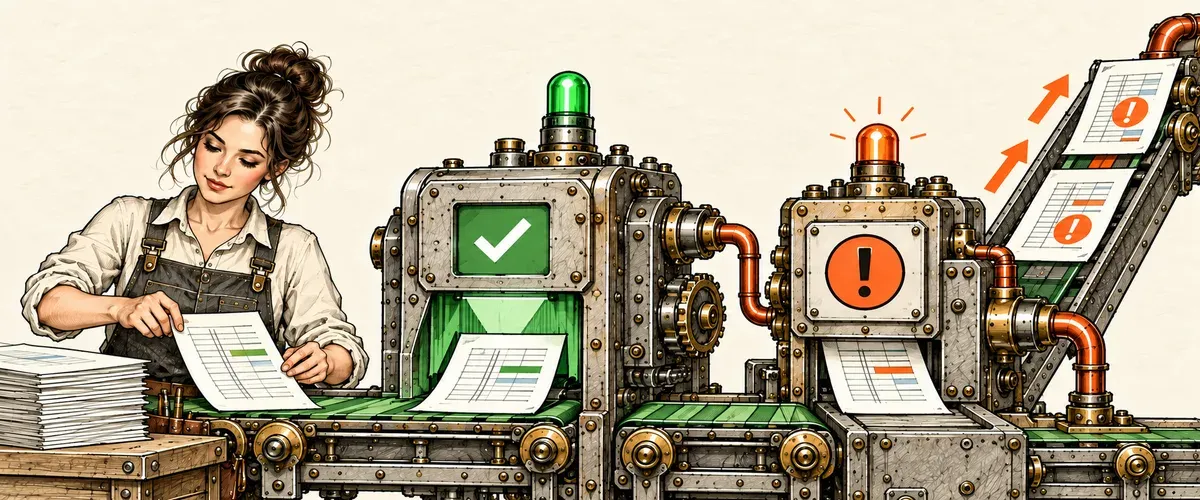
Method contracts let callers rely on completed work and let failures propagate. C# examples distinguish retrieval from search, validate domain entry points, and assign handling to its owner.
Writing
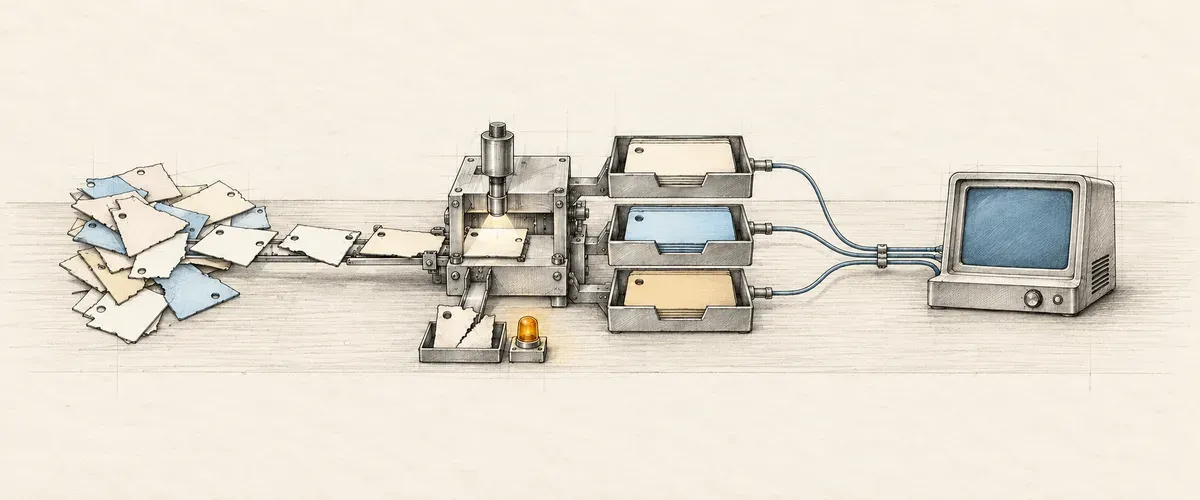
A Configuration Provider hides the source and returns validated, typed settings. Useful exceptions and composed settings providers keep configuration rules in one place.
Writing
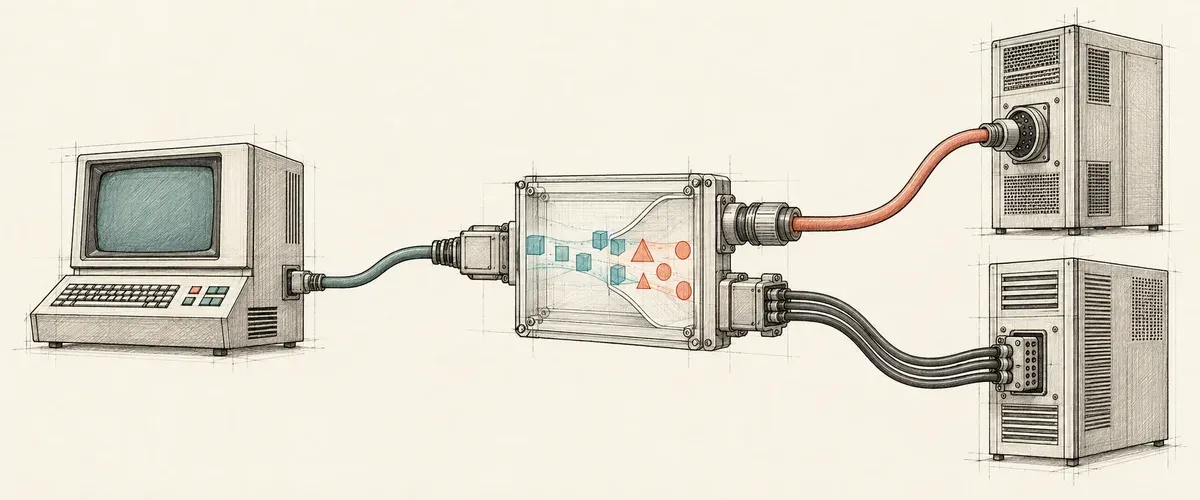
A Gateway presents business operations, translates service models and transforms failures into domain exceptions, keeping external service details behind one boundary.

Chapter
C# methods tell callers what they do through explicit visibility, truthful signatures, and returns that express action, query, and cardinality; their bodies orchestrate at one level.

Writing
Map member CRUD operations to HTTP methods and resource URIs, then implement an ApiController with response status codes, Location headers, and error responses.
Writing
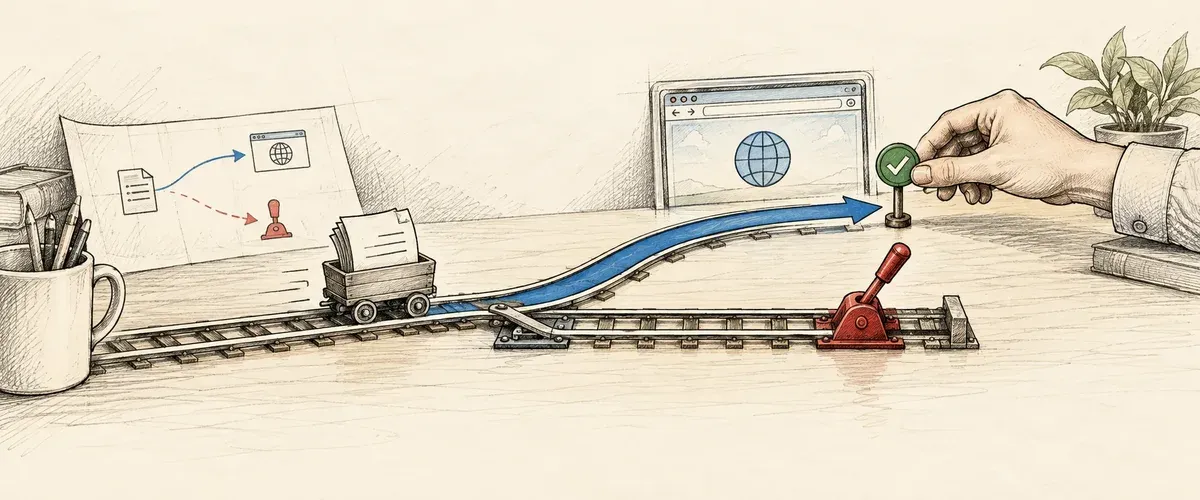
Use the Response.Redirect overload with endResponse set to false to avoid ThreadAbortException, then structure request handling so execution finishes deliberately.