Part 1
Functional Acceptance Testing at the Boundary
Functional acceptance tests verify complete outcomes through the assembled system. Correct arrangements, deep assertions, and controlled observations support release confidence.
Acceptance Testing
A sixteen-part guide to functional acceptance testing: complete scenarios, real infrastructure, deep assertions, maintained regression protection, and confidence to release.
Functional acceptance tests invoke the assembled system through its public operation and verify everything the scenario requires. Correct arrangements, independent observations, and complete comparisons give a green result its meaning.
This series follows one order through its caller result, database records, fulfillment message, and confirmation. It then covers scenario completeness, failure states, concurrency, interface testing, maintenance, and release readiness.
Start with the boundary and its purpose, then follow the worked examples in order.
Part 1
Functional acceptance tests verify complete outcomes through the assembled system. Correct arrangements, deep assertions, and controlled observations support release confidence.
Part 2
A green suite needs correct scenarios for established requirements. An obligation map connects each rule to its arrangement, expected outcome, independent observation, and assertion.

Part 3
One ordering scenario verifies the caller result, stored lines, fulfillment, and confirmation. Follow its complete C# test, independent observations, and accumulated failure reports.
Part 4
Random data must preserve the named test scenario. Constrained catalog sampling, immutable builders, deliberate threshold guards, and owned identities keep arrangements correct.
Part 5
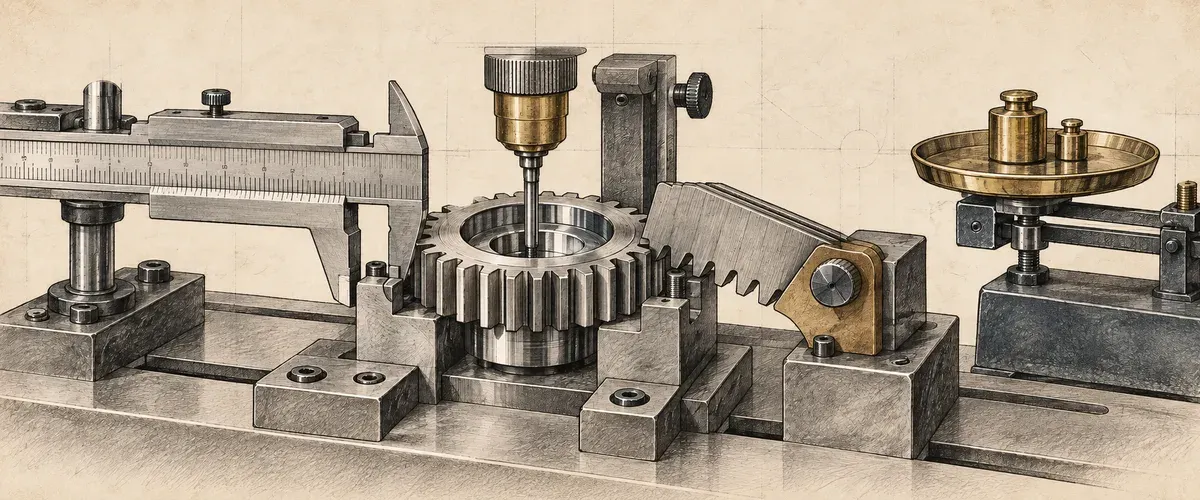
Assertions must compare every required field, count, and effect. Pure asserters separate observations from comparisons and report available failures together with verified expectations.
Part 6
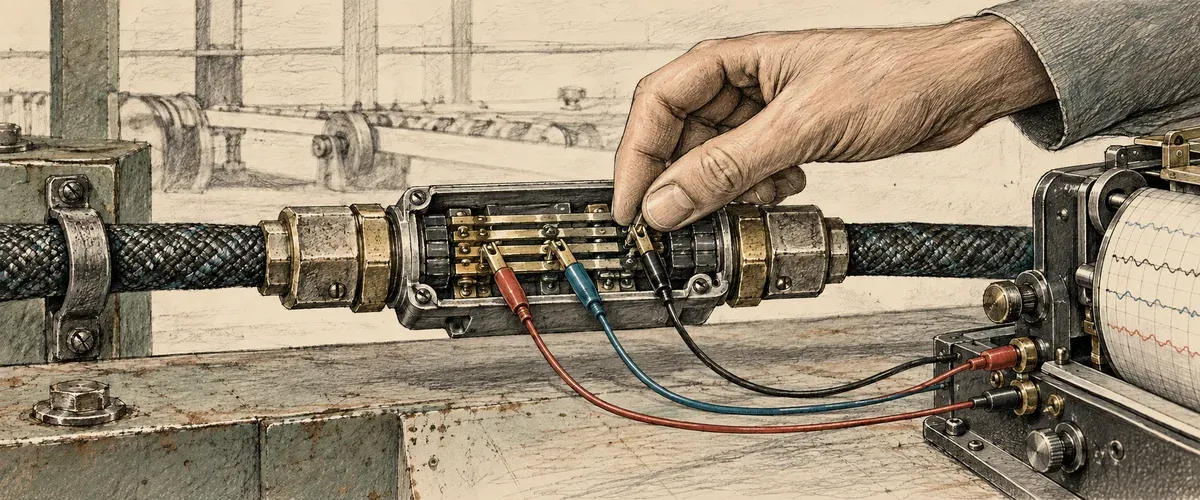
A Test Mediator and transport spy control delivery and expose observations while production gateways run. Capture email content, script retries, and measure bounded response reads.
Part 7
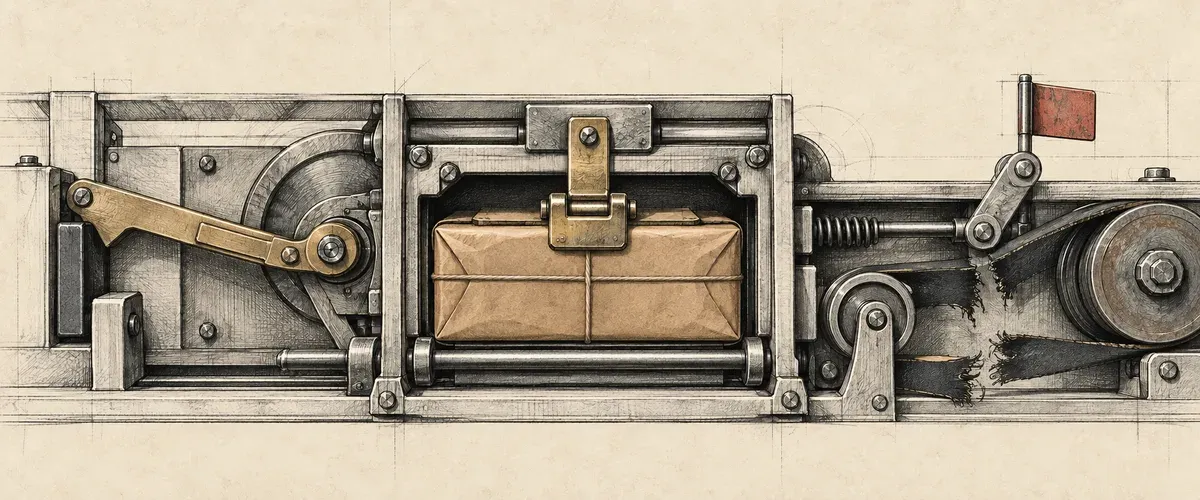
Failure timing determines what an order still owes. Verify refusal, real transaction rollback, post-commit action failures, and accepted effects whose completion could not be recorded.
Part 8
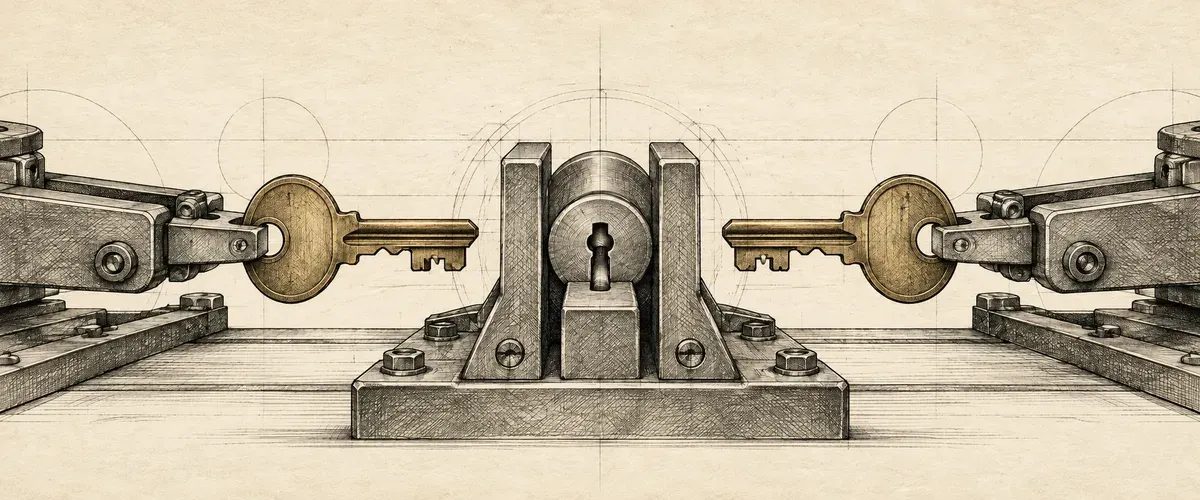
Repeated and concurrent order requests must preserve accepted outcomes without duplicate work. Compare canonical request identity, allowed race outcomes, stored facts, and outgoing effects.
Part 9
Interface tests verify wire conversion and exception translation at their owning boundaries. Controller Hooks, middleware checks, and hosted HTTP scenarios complement domain acceptance.
Part 10
A growing acceptance suite stays trustworthy through explicit scenarios and owned resources. Organize by feature, keep Act visible, review complete comparisons, and retain useful CI failures.
Part 11
Real infrastructure must participate when transactions and messages are required outcomes. Provision SQL and broker topology, isolate runs, define observation windows, and verify actual rollback.
Part 12
Acceptance tests let teammates learn requirements and production behavior together. Follow one order through Arrange, the visible Act, independent observations, and complete assertions.

Part 13
The maintained regression suite protects earlier business behavior as new features change the system. Keep approved expectations, run the required suite, and preserve lessons as permanent scenarios.
Part 14
A stable Domain Facade lets acceptance scenarios and assertions survive internal refactoring. Adapt test support behind unchanged observations and adopt complete boundary tests feature by feature.
Part 15
A green behavioral suite supports release when its evidence belongs to the build being advanced. Preserve execution receipts and verify deployed capabilities, configuration, and other release duties.
Part 16
Boundary testing questions concern evidence, isolation, failures, and release confidence. Compare the practice with mocks, TDD, generated checks, formal models, and production observation.