
Writing
One Order, Every Obligation
One ordering scenario verifies the caller result, stored lines, fulfillment, and confirmation. Follow its complete C# test, independent observations, and accumulated failure reports.

Topic
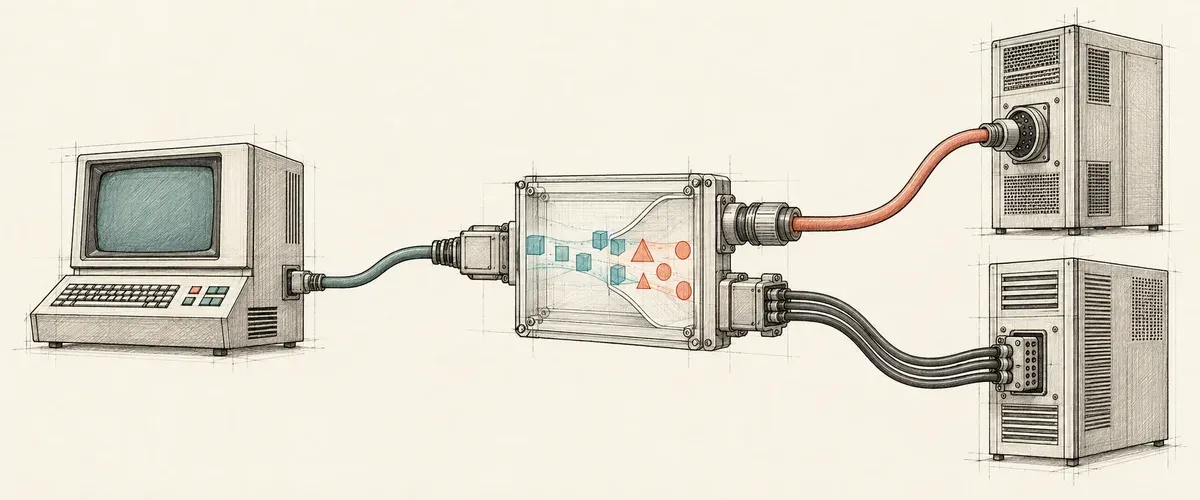
A domain-owned boundary to an external service. It presents business-shaped operations and models, and keeps provider types, resource models and failure translation behind it as one deletable unit.
13 pages
Writing
One ordering scenario verifies the caller result, stored lines, fulfillment, and confirmation. Follow its complete C# test, independent observations, and accumulated failure reports.

Writing
A stable Domain Facade lets acceptance scenarios and assertions survive internal refactoring. Adapt test support behind unchanged observations and adopt complete boundary tests feature by feature.

Writing
A Test Mediator and transport spy control delivery and expose observations while production gateways run. Capture email content, script retries, and measure bounded response reads.

Writing
Give callers domain operations while collections and gateways own the details: service orchestration, model mapping and translation of recognized failures into domain exceptions.

Writing
Specific exceptions preserve failure meaning, causes, and context. A shallow C# hierarchy, Gateway translation, and middleware enrichment carry diagnostic records across service boundaries.

Writing
Method contracts let callers rely on completed work and let failures propagate. C# examples distinguish retrieval from search, validate domain entry points, and assign handling to its owner.

Writing
C# interfaces do not inherently create contracts or loose coupling. Composition handles hierarchy conflicts; capability interfaces and structural typing let consumers see only what they need.
Writing
A Gateway presents business operations, translates service models and transforms failures into domain exceptions, keeping external service details behind one boundary.

Writing
A library boundary owns the application's contract even when its terms match the library's. It contains provider types, validation, failures, and configuration, and keeps replacement possible.

Writing
A model should express required fields, genuine absence, and distinct variants in its type. Python unions and C# records encode those promises, while boundaries check external values.

Chapter
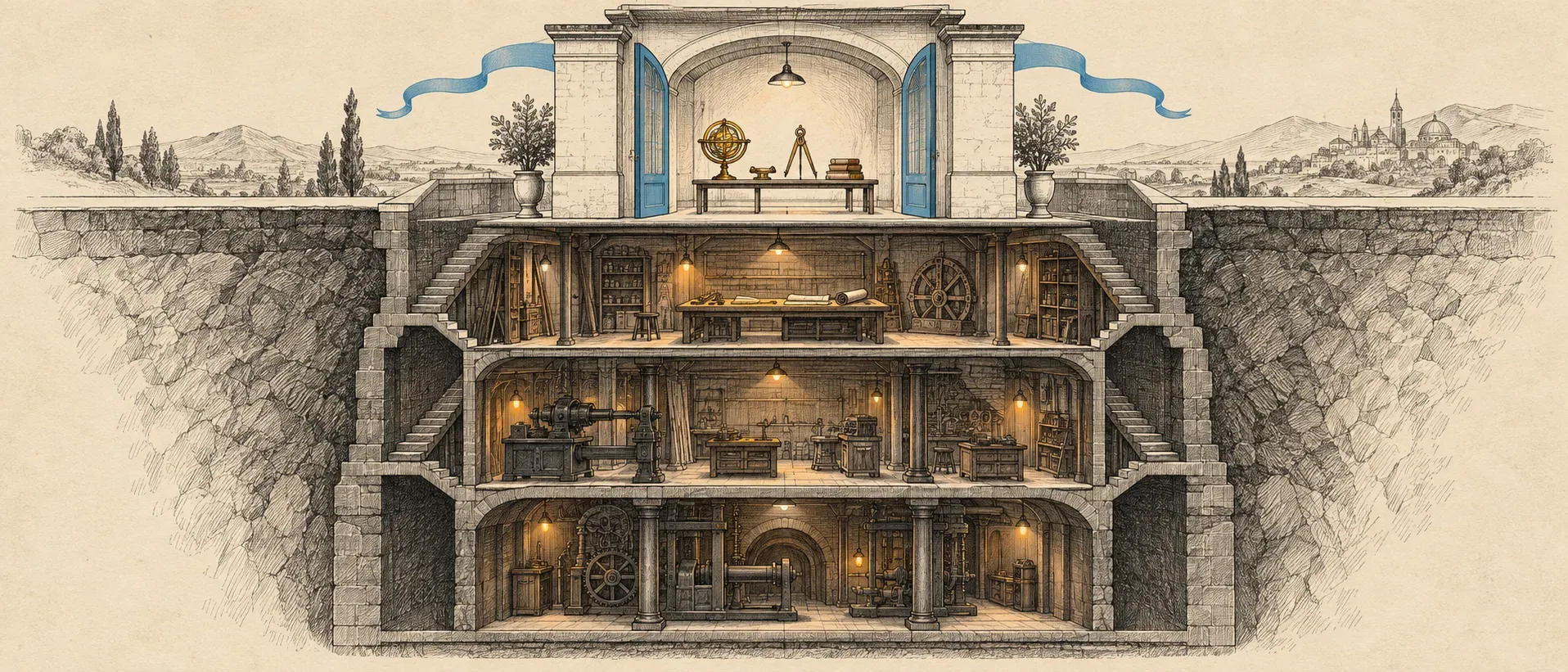
Structure communicates intent: strict layers from Domain Facade to Gateway, internal by default with a public surface the compiler enforces, and folder depth that marks each class's level of abstraction.
Chapter
Structure communicates intent: strict layers from Domain Facade to Gateway, a public surface declared in the boundary __init__.py, and folder depth that marks each class's level of abstraction.
PWI
The Domain Facade exposes business operations while internal classes call one level down. Managers orchestrate workflows and own configuration and service boundaries.