
Writing
Functional Acceptance Testing at the Boundary
Functional acceptance tests verify complete outcomes through the assembled system. Correct arrangements, deep assertions, and controlled observations support release confidence.

Topic
The single public entry point to a domain. It holds no logic of its own, forwards each business operation to a Manager, and hides every internal layer from callers.
10 pages
Writing
Functional acceptance tests verify complete outcomes through the assembled system. Correct arrangements, deep assertions, and controlled observations support release confidence.

Writing
One ordering scenario verifies the caller result, stored lines, fulfillment, and confirmation. Follow its complete C# test, independent observations, and accumulated failure reports.

Writing
Boundary testing questions concern evidence, isolation, failures, and release confidence. Compare the practice with mocks, TDD, generated checks, formal models, and production observation.

Writing
A stable Domain Facade lets acceptance scenarios and assertions survive internal refactoring. Adapt test support behind unchanged observations and adopt complete boundary tests feature by feature.
Writing
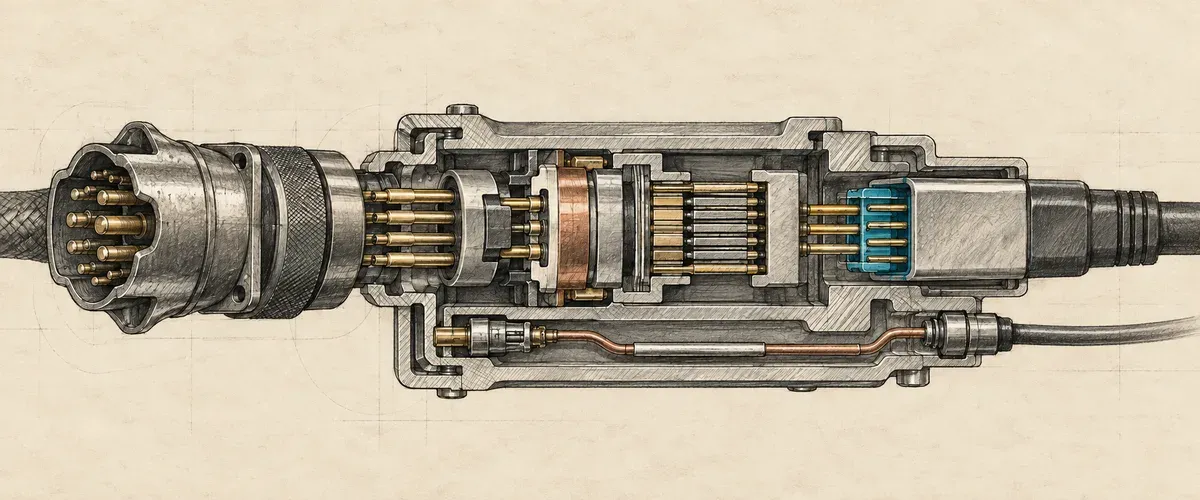
Interface tests verify wire conversion and exception translation at their owning boundaries. Controller Hooks, middleware checks, and hosted HTTP scenarios complement domain acceptance.
Writing
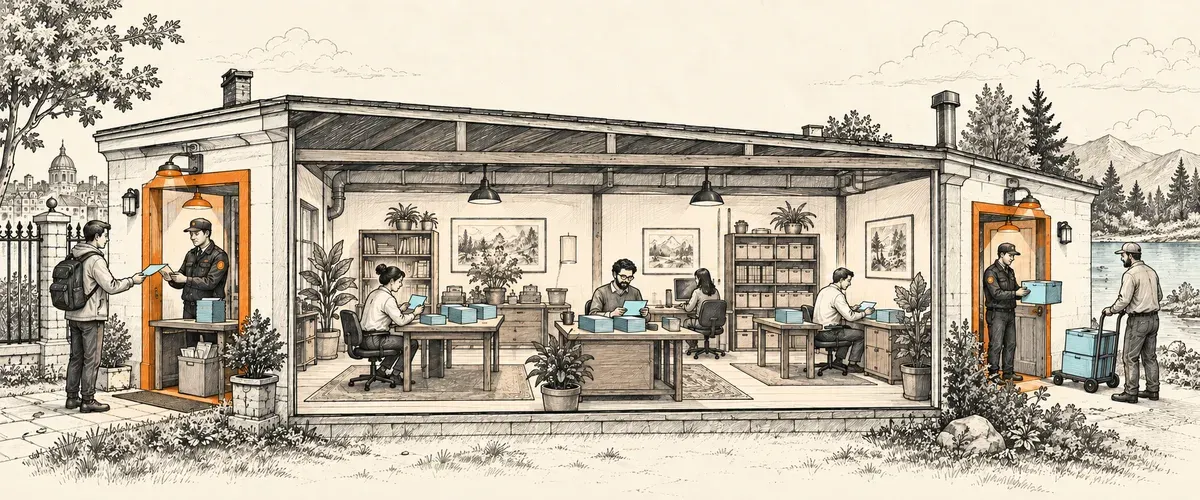
Validate and clean data at the front and back doors; skip checks on internal formal arguments. Immutable DTOs preserve trust, one exception reports all errors, and black box tests exercise the doors.

Writing
Method contracts let callers rely on completed work and let failures propagate. C# examples distinguish retrieval from search, validate domain entry points, and assign handling to its owner.

Chapter
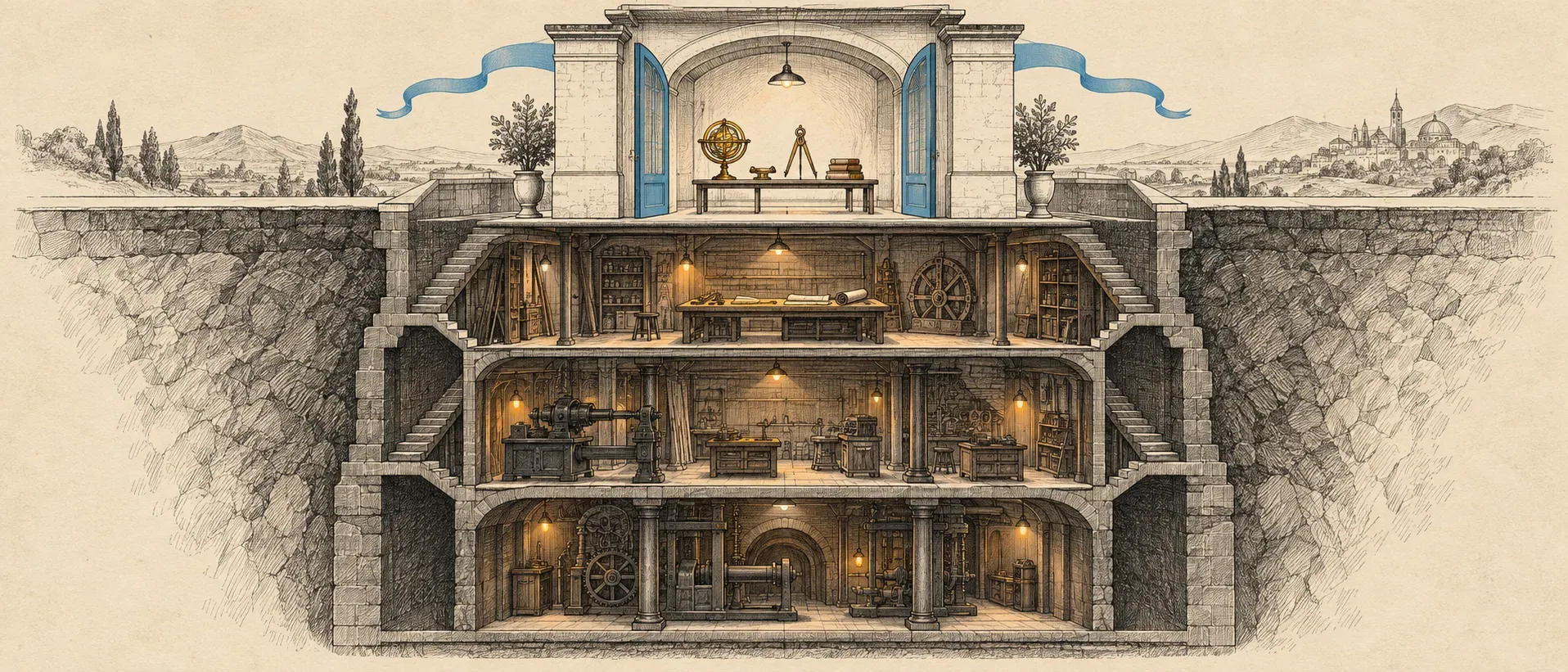
Structure communicates intent: strict layers from Domain Facade to Gateway, internal by default with a public surface the compiler enforces, and folder depth that marks each class's level of abstraction.
Chapter
Structure communicates intent: strict layers from Domain Facade to Gateway, a public surface declared in the boundary __init__.py, and folder depth that marks each class's level of abstraction.
PWI
The Domain Facade exposes business operations while internal classes call one level down. Managers orchestrate workflows and own configuration and service boundaries.