
Writing
Arranging Scenarios That Stay True
Random data must preserve the named test scenario. Constrained catalog sampling, immutable builders, deliberate threshold guards, and owned identities keep arrangements correct.
Topic
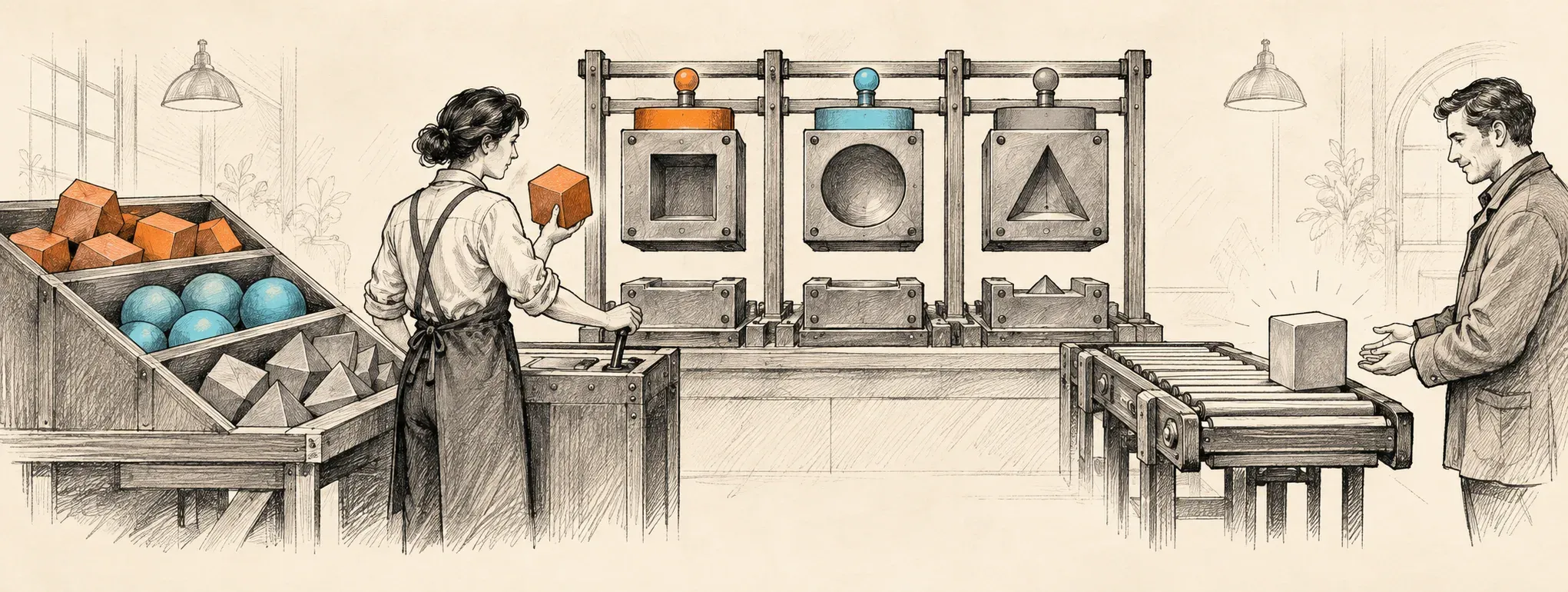
Creating the right implementation behind a focused construction boundary.
8 pages
Writing
Random data must preserve the named test scenario. Constrained catalog sampling, immutable builders, deliberate threshold guards, and owned identities keep arrangements correct.

Writing
One ordering scenario verifies the caller result, stored lines, fulfillment, and confirmation. Follow its complete C# test, independent observations, and accumulated failure reports.

Writing
Boundary testing questions concern evidence, isolation, failures, and release confidence. Compare the practice with mocks, TDD, generated checks, formal models, and production observation.
Writing
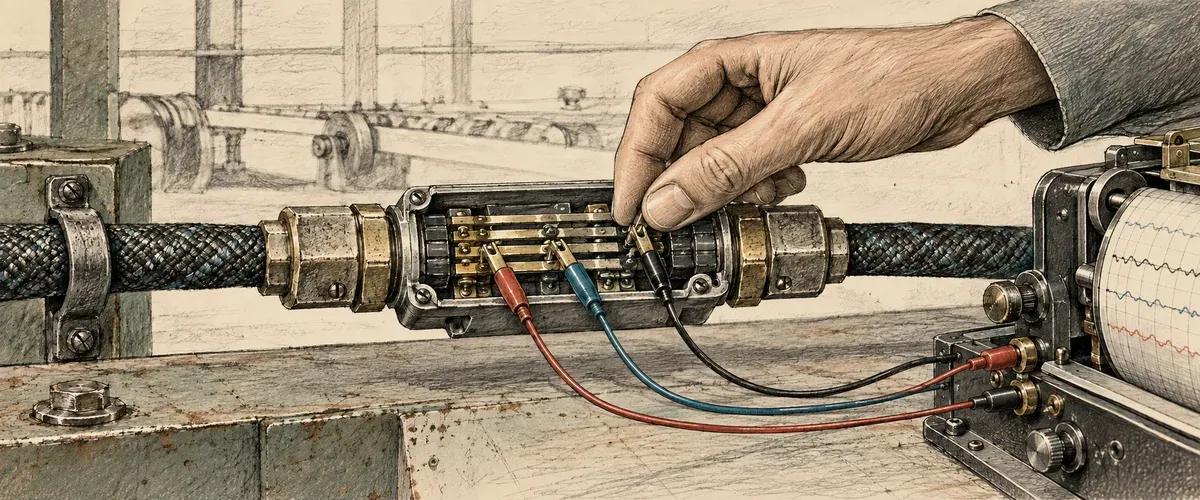
A Test Mediator and transport spy control delivery and expose observations while production gateways run. Capture email content, script retries, and measure bounded response reads.

Writing
The Adapter pattern keeps application messaging independent of broker SDKs by translating messages, callbacks and acknowledgements between RabbitMQ and Service Bus.

Writing
A Factory selects and constructs a concrete descendant while callers program to an interface through the base class's public contract. C# thumbnailers show selection and polymorphic dispatch.

Writing
Factory Method lets consumer subclasses choose dependencies through an overridable creation hook. C# examples show its two class families and distinguish it from a separate Factory.
Writing
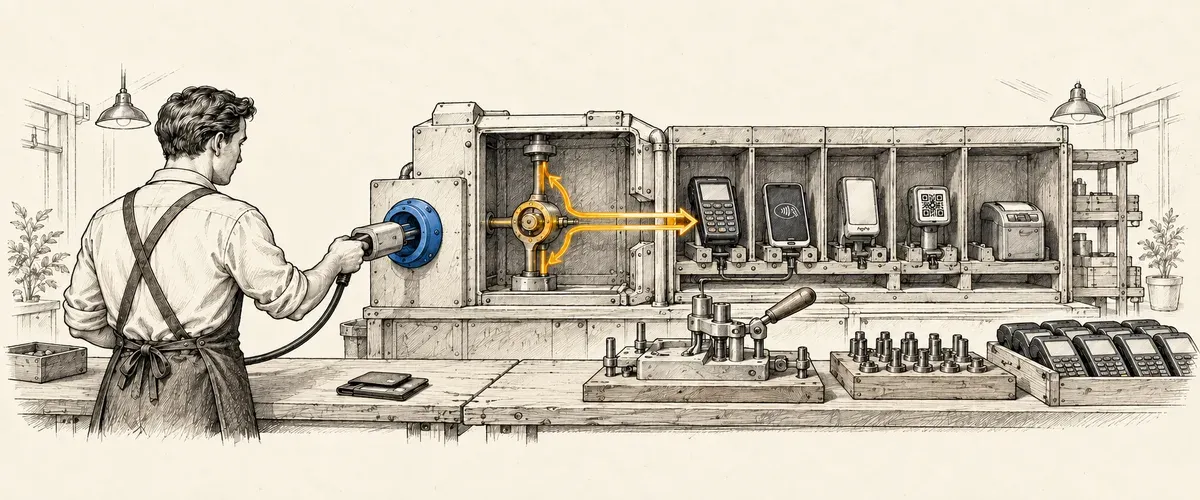
A Factory decouples payment processing from concrete classes, discovers implementations, and caches constructor delegates built with DynamicMethod and ILGenerator.